
Zúčastnite sa nášho nadchádzajúceho webinára s názvom „Môžete sa spoľahnúť na namerané údaje?“ 27. októbra 2026 o 10:00 SEČ. Zaregistrujte sa tu

Pablo Caballero
Apr 8, 2026
Každý projekt fotovoltaickej elektrárne sa zvyčajne začína jedným jednoduchým číslom: očakávaným ročným výnosom z fotovoltaiky. Na prvý pohľad vyzerá toto číslo jasne a presne. V skutočnosti je však vždy spojené s neistotou.
Veľmi záleží na tom, ako sa projektový tím s touto neistotou vysporiada. Ovplyvňuje technický návrh, očakávania investorov a bankové financovanie, a to často spôsobom, ktorý sa prejaví až v neskorej fáze životného cyklu projektu.
V tomto článku vysvetľujeme, prečo je aktívne znižovanie neistoty účinnejšie ako jej jednoduché vykazovanie. Podelíme sa aj o praktické spôsoby, ako to dosiahnuť prostredníctvom inteligentnejších simulácií výnosov z fotovoltiky.
Na jednoduchom príklade projektu ukazujeme, ako môžu rôzne prístupy k neistote viesť k veľmi rozdielnym výnosom a vytvárať odlišné riziká pre projektantov, investorov a banky. Príklady sú ilustračné a ich cieľom nie je podrobne kopírovať rozhodovanie o skutočných projektoch, ale ukázať, ako môže zníženie neistoty uvoľniť možnosti optimalizácie pre všetky kľúčové zainteresované strany.
Inžinieri sa pri rozhodovaní o projektovaní spoliehajú na odhady výnosov. Ak sú tieto odhady spoľahlivé a neistota je dobre pochopená, inžinieri môžu navrhovať s istotou a prispôsobiť systém presne podmienkam na mieste. Ak je neistota zle pochopená alebo ignorovaná, inžinieri túto presnosť strácajú.
Návrhové rozhodnutia sa štandardne stávajú konzervatívnymi. Zvyšujú sa bezpečnostné rezervy. Optimalizácia ustupuje aproximácii. Niekedy to znamená pridať viac zariadení, ako je potrebné, alebo sa spoliehať na konzervatívne voľby veľkosti v elektrickom návrhu, rozložení a predpokladoch strát. Inokedy to znamená ponechanie výkonu na stole. Tak či onak, neistota obmedzuje schopnosť inžinierov získať plnú hodnotu zo stavby.
Optimalizácie návrhu, ktoré umožňuje nižšia neistota, zahŕňajú:
Investori málokedy hodnotia projekt len na základe jeho očakávanej návratnosti. Namiesto toho sa zameriavajú na rozsah možných výsledkov a odolnosť výnosov za menej priaznivých podmienok. Ak je neistota výnosov jasne kvantifikovaná a transparentne komunikovaná, investori môžu efektívnejšie vyhodnotiť riziko a vytvoriť si realistické očakávania o dlhodobej výkonnosti.
Ak sa neistota ignoruje alebo podceňuje, projekty sa môžu spočiatku javiť ako atraktívne, ale dôvera sa počas due diligence často oslabuje, pretože sa spochybňujú základné predpoklady. V takýchto prípadoch sa zvyšuje vnímané riziko poklesu a investičný prípad sa ťažšie obhajuje.
Z tohto dôvodu investori prikladajú veľkú hodnotu spoľahlivým dlhodobým údajom o výrobe. Spoľahlivá kvalita údajov je potrebná na vytvorenie obhájiteľného základného scenára, podporuje analýzu poklesov a uľahčuje zosúladenie s požiadavkami veriteľov, ktoré sa zvyčajne posudzujú s použitím konzervatívnejších predpokladov.
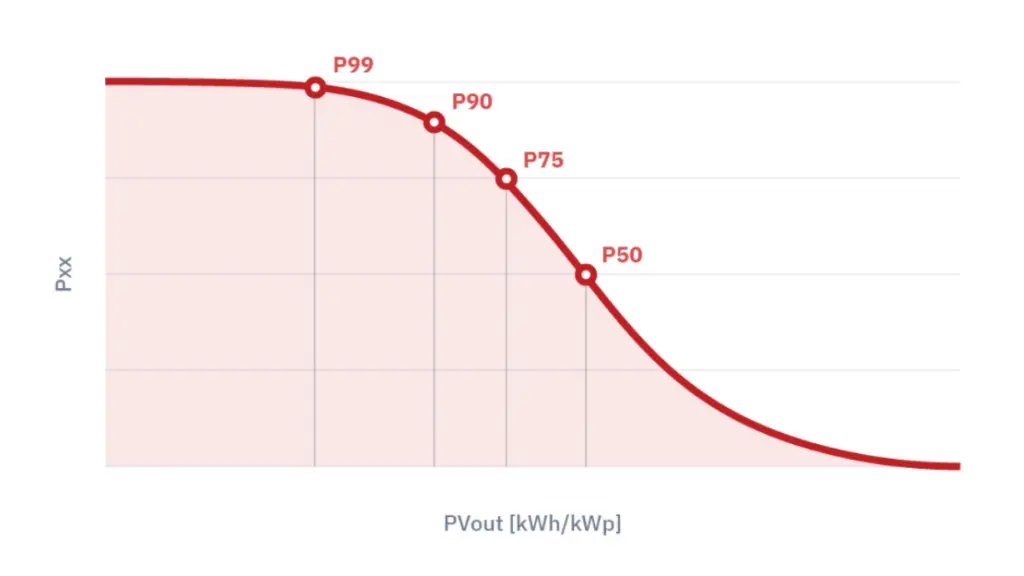
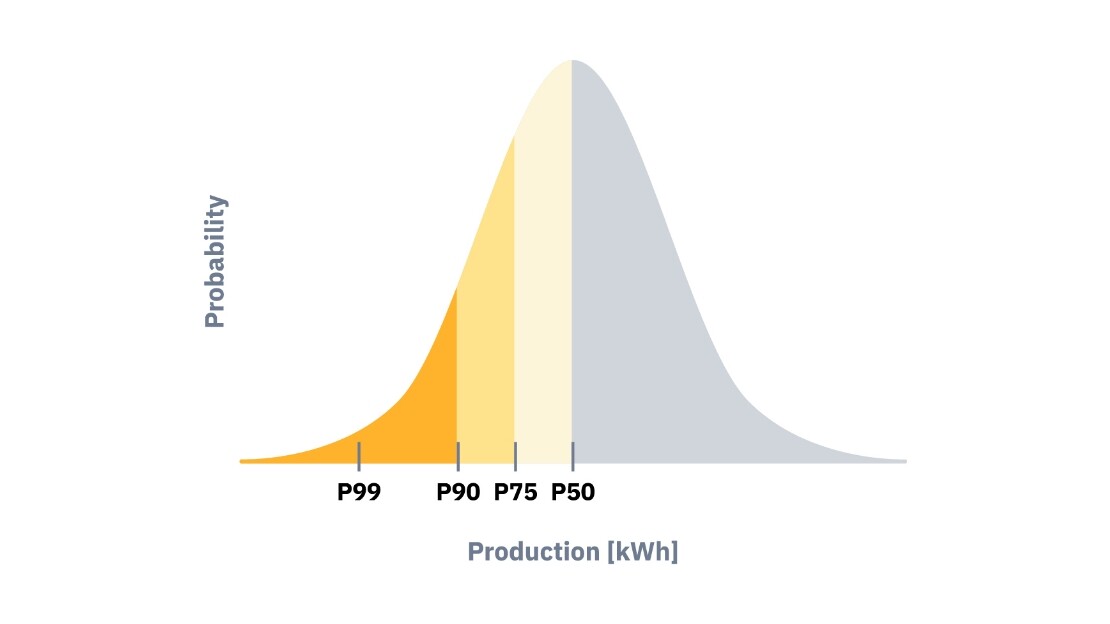
Obr. 1. Pravdepodobnostné rozdelenie energetického výnosu z fotovoltaiky znázorňuje, ako sa očakávaný výnos znižuje so zvyšujúcou sa úrovňou PXX.
Banky zahŕňajú neistotu do rozhodnutí o poskytovaní úverov tým, že posudzujú schopnosť projektu splniť svoje dlhové záväzky za konzervatívnych predpokladov. Ak je neistota jasne kvantifikovaná a dobre pochopená, štruktúry financovania sa dajú navrhnúť efektívnejšie.
V štandardnej praxi projektového financovania sú základné peňažné toky zvyčajne založené na odhadoch energie P50. S rastúcou neistotou výnosov sa zväčšuje rozdiel medzi scenárom P50 a konzervatívnejšími scenármi výroby, ako je napríklad P90.
Veritelia riešia toto riziko najmä prostredníctvom štrukturálnych a zmluvných mechanizmov. Paktmi sa rozumejú zmluvné požiadavky, ktoré zaväzujú projekt k dodržiavaniu stanovených finančných alebo prevádzkových limitov. Medzi typické opatrenia patria napr:
Tieto opatrenia sú navrhnuté tak, aby chránili veriteľov a zároveň zachovali základný finančný model nedotknutý. Výsledkom je, že neistota výnosov priamo ovplyvňuje, koľko dlhu môže projekt získať a za akých podmienok je financovaný.
Ak sa neistota ignoruje, zainteresované strany sú nútené chrániť sa konzervatívnymi predpokladmi. Inžinieri sa opierajú o všeobecné bezpečnostné rezervy, investori sa snažia pochopiť riziká a banky reagujú obmedzením úverov alebo sprísnením podmienok.
Tab. 1. Rozdiely medzi ignorovaním a vykazovaním neistoty pre kľúčové zainteresované strany projektu.
|
Ignorovanie neistoty |
Výpočet a vykazovanie neistoty |
|
|
Inžinieri |
Spoliehajú sa na všeobecné predpoklady a konzervatívne bezpečnostné rezervy |
Bližšie zosúladiť rozhodnutia o návrhu s podmienkami špecifickými pre danú lokalitu |
|
Investori |
Nevýhody sú nejasné a ťažko sa vyhodnocujú |
Rozsah výnosov je viditeľný a riziká sú lepšie pochopené |
|
Banky |
Uplatňujú konzervatívne predpoklady, ktoré obmedzujú veľkosť dlhu |
Štruktúrujú úvery s väčšou istotou a predvídateľnosťou |
Výpočet a vykazovanie neistoty zlepšuje transparentnosť, ale úplne neodstraňuje tieto trenice, riziko je lepšie pochopené, ale stále oceňované defenzívne.
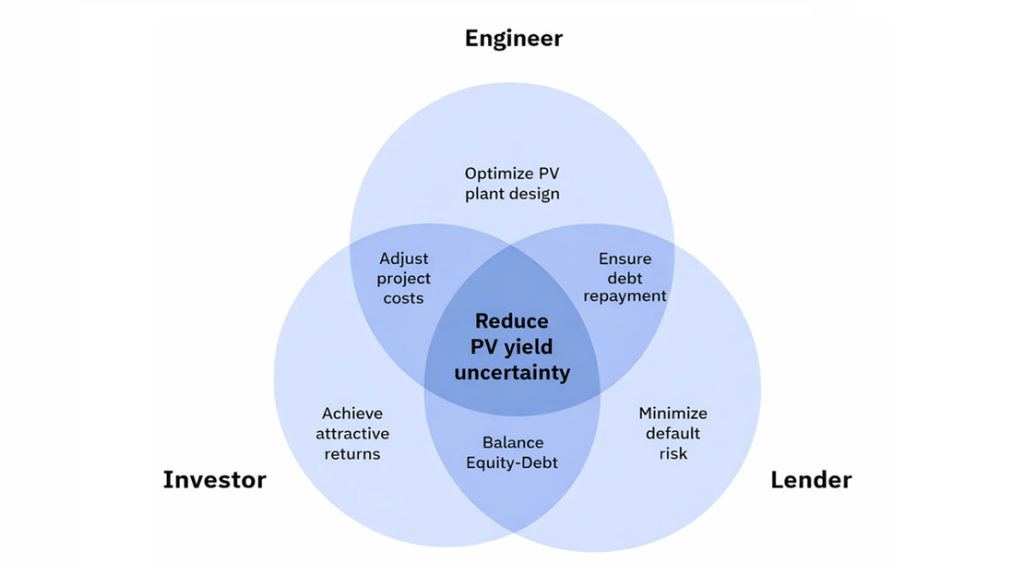
Obr. 2. Zníženie neistoty výnosov z FV je výhodné pre každý cieľ zainteresovaných strán
Na zníženie neistoty je dôležité pochopiť rôzne faktory, ktoré ju ovplyvňujú. Pri simuláciách výťažnosti fotovoltických panelov pochádza neistota z modelov používaných softvérom aj z externých vstupov poskytnutých používateľom.
Mnohé opatrenia na zníženie neistoty sa dajú realizovať s nízkymi alebo dokonca nulovými dodatočnými nákladmi v závislosti od nástrojov, ktoré sa už v projekte používajú. Vo väčšine prípadov je kľúčom k úspechu výber správneho softvéru a pochopenie spôsobu interného spracovania vstupných údajov a modelov. Posúdenie neistoty sa musí vždy riadiť overenými údajmi.
Medzi praktické opatrenia patria napr:
Niektoré dodatočné opatrenia si vyžadujú dodatočné investície, napríklad inštaláciu pozemného meracieho zariadenia. Hoci to zvyšuje počiatočné náklady, sú zvyčajne malé v porovnaní s celkovými CAPEX elektrárne. V zložitých lokalitách alebo regiónoch s obmedzenou validáciou satelitných údajov môže doplnenie satelitných údajov ožiarenia o merania na mieste a miestne prispôsobené modely výrazne znížiť neistotu a zvýšiť dôveru vo výsledky.
Projekt môže buď akceptovať súčasnú neistotu, alebo podniknúť kroky na jej aktívne zníženie. Keď sa neistota zníži, odhady výnosov sa stanú spoľahlivejšími. To umožňuje inžinierom optimalizovať projekty s väčšou istotou, investorom pomáha zlepšiť minimálne očakávané výnosy a bankám poskytuje väčší komfort pri efektívnej štruktúre dlhu.
Vplyv týchto dvoch prístupov je znázornený nižšie na dvoch projektových scenároch.
Tab. 2. Rozdiely medzi akceptovaním a znižovaním neistoty pre kľúčové zainteresované strany projektu.
|
Akceptovanie súčasnej neistoty |
Aktívne znižovanie neistoty |
|
|
Inžinieri |
Návrh zostáva konzervatívny a menej konkurencieschopný |
Návrh je optimalizovaný pri minimalizácii rizík nadmerného a nedostatočného návrhu |
|
Investori |
Investičný prípad je slabší kvôli veľkému rozdielu medzi očakávanými a konzervatívnymi výnosmi |
Minimálne očakávané výnosy sa zlepšujú a znižuje sa riziko poklesu |
|
Banky |
Vyššia rizikovosť vedie k opatrnosti pri rozhodovaní o financovaní |
Náklady na financovanie sa znižujú a kapitálová štruktúra sa stáva efektívnejšou |
Ilustrujme si to na vzorovom projekte: spoločnosť vyvíja projekt fotovoltaickej elektrárne s výkonom 10 MW. Lokalita vyzerá dobre, usporiadanie je čisté a očakávaná výroba je 1 500 kWh na kWp. Na papieri všetko funguje.
Inžinier spustí simuláciu výnosov s použitím štandardných vstupov a obmedzeného súboru údajov. To zahŕňa štandardné predpoklady namiesto fyzikálne modelovaných strát, spriemerované súbory údajov, ako napríklad TMY, namiesto úplných časových radov, a hodinové simulácie namiesto podhodinového rozlíšenia. Výsledok vyzerá primerane, ale neistota zostáva pomerne vysoká.
Inžinier vie, že tieto čísla nie sú nesprávne, ale vie tiež, že nie sú veľmi tesné. Preto sa tím rozhodne pokračovať v práci tak, ako je.
Tab. 3. Predpoklady neistoty použité vo vzorovom scenári A.
|
Zložka neistoty |
Hodnota |
Poznámky |
|
Neistota údajov o slnečnom žiarení |
±7.0% |
Štandardné satelitné súbory údajov s obmedzenou miestnou validáciou a kratšími časovými radmi |
|
Medziročná variabilita |
±5.0% |
Prirodzená medziročná premenlivosť počasia v mieste projektu |
|
Neistota simulácie fotovoltaiky |
±5.0% |
Predvolené predpoklady modelovania, zjednodušené modely strát a hodinové rozlíšenie simulácie |
|
Celková neistota výnosov z fotovoltaiky |
≈±10% |
Kombinované pomocou metódy odmocniny zo súčtu |
Banka posudzuje projekt pomocou energetického výnosu P90.
Z pohľadu banky je projekt financovateľný, ale len tak-tak. Nie je tu priestor na ďalšie zadlženie.
Investor do vlastného kapitálu sa pozerá na nepriaznivý prípad.
Projekt dosiahne finančné uzavretie, ale nie je optimalizovaný.
Spoločnosť vyvíja projekt fotovoltaickej elektrárne s výkonom 10 MW. Lokalita vyzerá dobre, usporiadanie je čisté a očakávaná výroba je 1 500 kWh na kWp. Na papieri všetko funguje.
Pred finalizáciou projektu urobí tím iné rozhodnutie. Investuje do lepších údajov o ožiarení, použije dlhšie časové rady a použije podrobnejšie modelovanie. Očakávaná energia zostáva rovnaká, ale neistota sa znižuje.
Tab. 4. Predpoklady neistoty použité vo vzorovom scenári B.
|
Zložka neistoty |
Hodnota |
Poznámky |
|
Neistota údajov o slnečnom žiarení |
±5.0% |
Kvalitnejšie súbory údajov o ožiarení, dlhšie historické záznamy a validácia prispôsobená lokalite |
|
Medziročná variabilita |
±5.0% |
Prirodzená medziročná variabilita počasia na tom istom mieste (bez zmeny) |
|
Neistota simulácie fotovoltaiky |
±4.0% |
Podrobnejšie modelovanie systému, vyššie časové rozlíšenie a fyzikálne modely strát |
|
Celková neistota výnosov z fotovoltaiky |
≈±8% |
Kombinácia pomocou metódy odmocniny zo súčtu |
Nič fyzikálne sa zatiaľ nezmenilo - len dôvera v čísla. Vďaka nižšej neistote sa projekt už nemusí spoliehať na konzervatívne projektové rezervy, aby dosiahol požadovanú energiu P90. Hoci inštalovaný výkon zostáva na úrovni 10 MW, projekt sa môže optimalizovať, aby sa znížil zbytočný konzervativizmus, čo vedie k nižším celkovým nákladom projektu.
Predpoklady o očakávaných stratách (ako sú znečistenie, teplota a straty v elektroinštalácii) zostávajú nezmenené. Zlepšená kvalita údajov a modelovanie však znižujú neistotu v súvislosti s týmito stratami. To umožňuje efektívnejší návrh bilancie zariadenia a nižšie náklady bez toho, aby sa zmenila očakávaná výkonnosť alebo sa spoliehalo na dodatočné bezpečnostné rezervy.
Návrh sa teda upraví:
Tým sa neznižuje bezpečnosť a životnosť. Projekt už jednoducho nie je predimenzovaný na kompenzáciu neistoty.
Banka preskúma aktualizovaný projekt.
Vďaka nižšiemu riziku je banka spokojná so zvýšením pákového efektu:
Z pohľadu veriteľa sa riziko nezvýšilo, v skutočnosti sa lepšie pochopilo.
Teraz sa investor pozerá na prípad zhoršenia.
Dosiahlo sa zvýšenie minimálnej očakávanej RoE, pričom investor potrebuje menej vlastného kapitálu.
Na prvý pohľad sa oba projekty zdajú byť veľmi podobné. Dodávajú rovnakú energiu, ktorú možno financovať, a spĺňajú rovnakú požiadavku DSCR. Lokalita, technológia a trhové podmienky sa nezmenili. Jediný rozdiel je v tom, ako sa zaobchádza s neistotou.
Zníženie neistoty sa dosiahlo prechodom z existujúceho nastavenia údajov a softvéru na pokročilejšie riešenie. Predpokladá sa, že dodatočné náklady na túto zmenu sú zanedbateľné v porovnaní s možnými úsporami kapitálu, pričom sa zvýši očakávaná produkcia na úrovni spoľahlivosti P90.
Z porovnania v nasledujúcej tabuľke vyplýva, že aktívne zníženie neistoty mení výkonnosť toho istého projektu.
Ďalšie zníženie neistoty by sa v prípade potreby dalo dosiahnuť prostredníctvom kampaní merania na konkrétnej lokalite a špecializovaných poradenských služieb, čo ponúka ďalšie možnosti na zlepšenie efektívnosti a finančnej výkonnosti projektov.
Tab. 5. Porovnanie dvoch scenárov neistoty pre vzorový projekt.
|
SCENÁRIA A |
SCENÁRIA B |
|
|
Špecifická výroba |
1 500 kWh/kWp |
1 500 kWh/kWp |
|
Náklady na fotovoltaiku na kWp |
$0.70 |
$0.70 |
|
Cena energie za kWh |
$0.038 |
$0.038 |
|
P50 Ročná výroba energie |
15 000 MWh |
15 000 MWh |
|
Neistota (P90) |
±10% |
±8% |
|
P90 Ročná výroba |
13 500 MWh |
13 800 MWh |
|
Veľkosť projektu |
10.00 MWp |
10.00 MWp |
|
Celkové náklady na projekt |
$7,000,000 |
$6,950,000 |
|
Doba splatnosti úveru |
20 rokov |
20 rokov |
|
Úroková sadzba |
5.50% |
5.50% |
|
Dlh (%) |
70% |
72% |
|
Vlastný kapitál (%) |
30% |
28% |
|
Dlh ($) |
$4,900,000 |
$5,004,000 |
|
Vlastný kapitál (v USD) |
$2,100,000 |
$1,946,000 |
|
DSCR (P90) |
1.25 |
1.25 |
|
RoE (P50) |
7.6% |
7.8% |
|
RoE (P90) |
4.9% |
5.4% |
Spôsob, akým projekt fotovoltaickej elektrárne rieši neistotu výnosov, má dôsledky, ktoré ďaleko presahujú presnosť dlhodobej energetickej prognózy. Rovnaká očakávaná produkcia môže viesť k veľmi odlišným návrhom, finančným štruktúram a investičným výsledkom v závislosti od úrovne neistoty spojenej s týmto odhadom.
Moderné softvérové riešenia umožňujú aktívne znižovať neistotu prostredníctvom kvalitnejších vstupných údajov a presnejších modelov. Táto zmena umožňuje dôkladnejšiu technickú optimalizáciu, odolnejšie finančné štruktúry a väčšiu dôveru medzi zainteresovanými stranami.
Vplyv zníženia neistoty už nie je len teoretický:
Zníženie neistoty je konkurenčnou pákou, nie prostriedkom na elimináciu rizika: posilňuje dôveru a odolnosť voči nepriaznivým scenárom, zatiaľ čo širšie trhové, sieťové a regulačné riziká zostávajú rozhodujúce. Jeho vplyv sa preto líši podľa regiónu, keďže každý trh má svoje vlastné kľúčové faktory, obmedzenia a podmienky financovania, ktoré formujú spôsob, akým neistota ovplyvňuje výsledky projektu.
Zníženie neistoty týkajúcej sa výnosu fotovoltaických zariadení nemení to, koľko slnka svieti. Neodstraňuje riziko projektu, ale pri efektívnom uplatnení ponúka príležitosť vytvoriť pre projekt trvalú konkurenčnú výhodu.