Join our upcoming webinar "Can you rely on measured data?" on October 27, 2026 at 10:00 AM CET. Register here
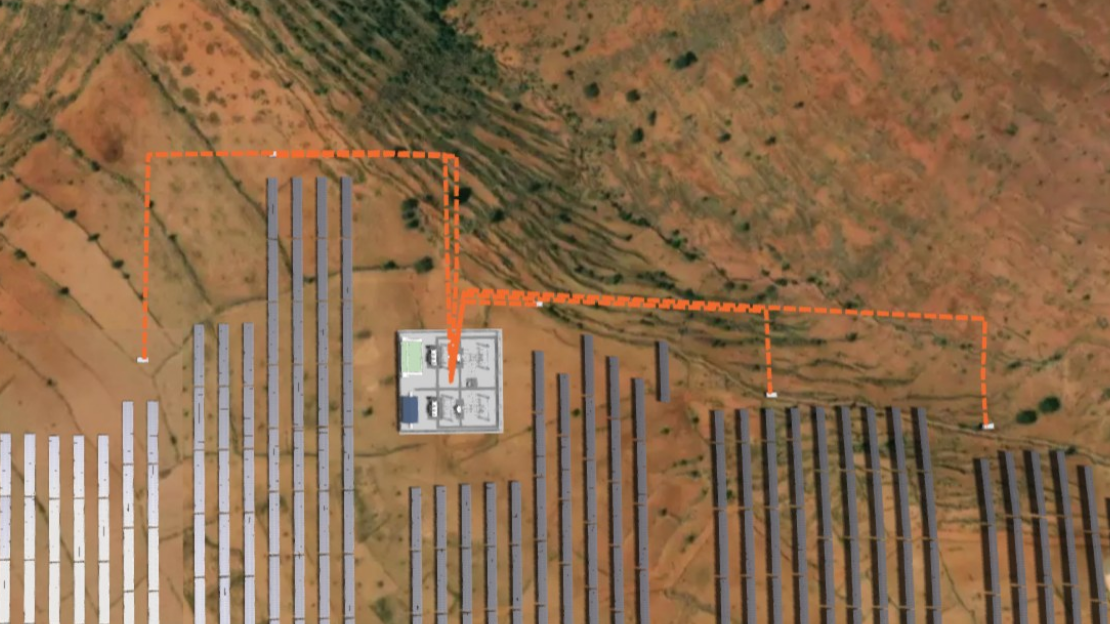
Approximately one year ago, we launched Solargis Evaluate packed with features for complex site assessment, PV system design, energy yield simulation, analysis, and reporting, all under one roof. Our latest Evaluate 2.7 release is introducing major improvements in the PV system designer, data analysis, and bankable reports. Get to know the latest feature updates.
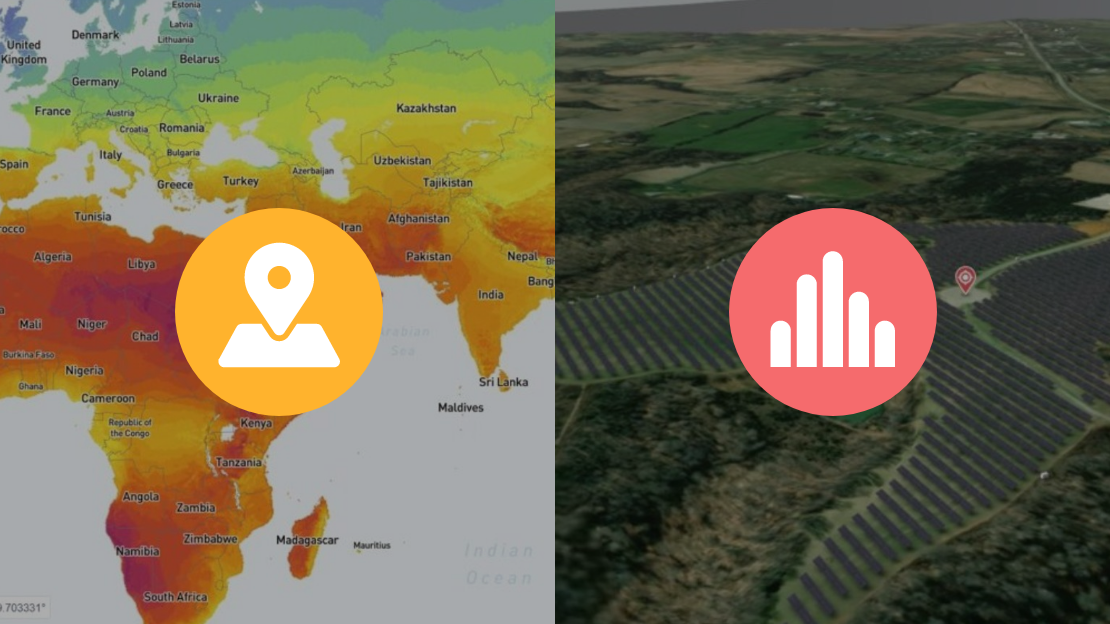
Solargis Prospect and Solargis Evaluate are essential in the pre-feasibility and feasibility phases, but they serve different purposes. Many of our customers ask how the two products differ, how they fit into the project development process, and whether – or when – to transition from Prospect to Evaluate. In the article, we'll walk you through the role of each solution and help you make the right product decision.
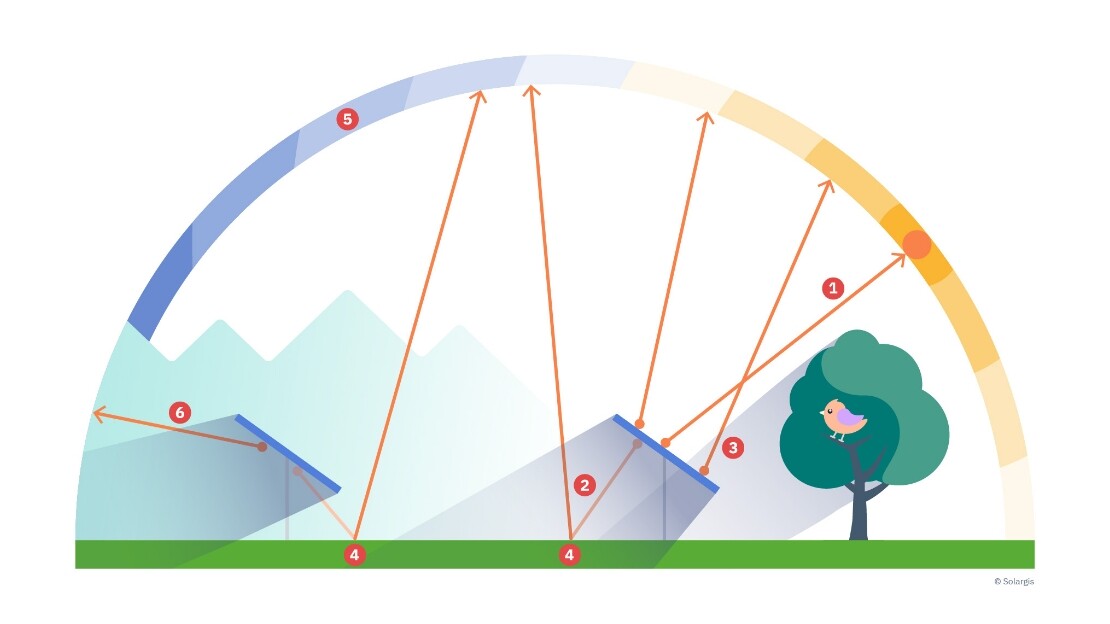
Bifacial photovoltaic (PV) modules dominate in modern solar projects, as they are more efficient, capturing sunlight on both sides of the cells, and generating more energy than monofacial PV modules. However, the shift to bifacial photovoltaics requires a different approach to feasibility evaluation compared to traditional monofacial technology.
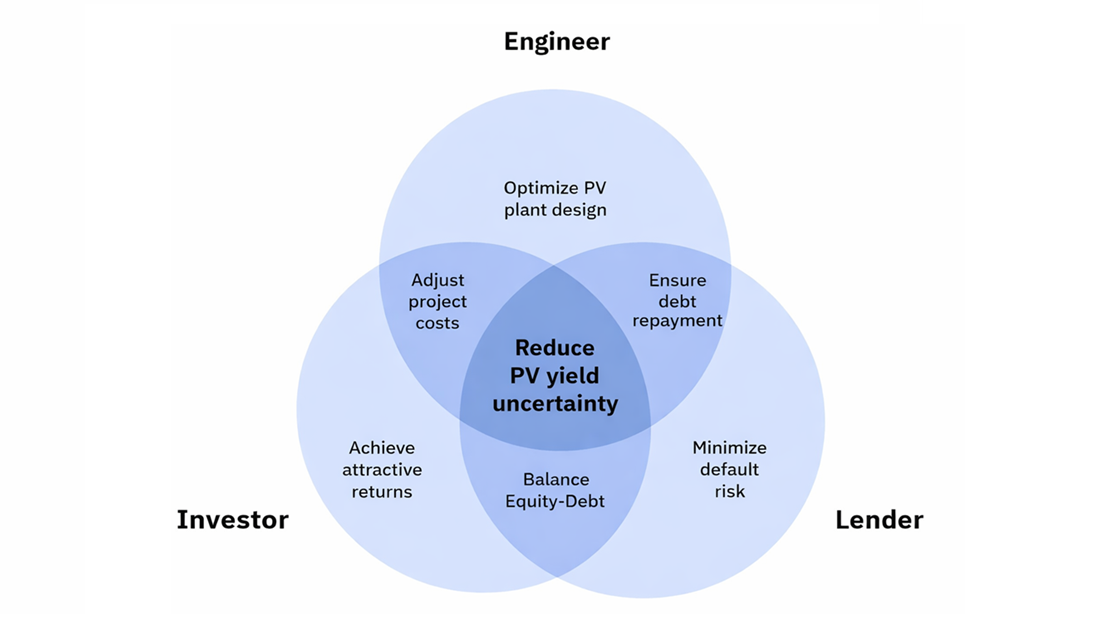
Every solar PV project usually starts with one simple number: expected annual PV yield. At first glance, this number looks clear and precise. In reality, however, it always comes with uncertainty. How a project team deals with this uncertainty matters a lot. It influences engineering design, investor expectations, and bank financing, often in ways that only become visible late in the project lifecycle.
While the growth in PV has brought fast development of a variety of products to the market, it has also created a new problem: It’s becoming increasingly difficult for project developers to manage and accurately evaluate the technical specifications of the modules, inverters and other components of a PV power plant.
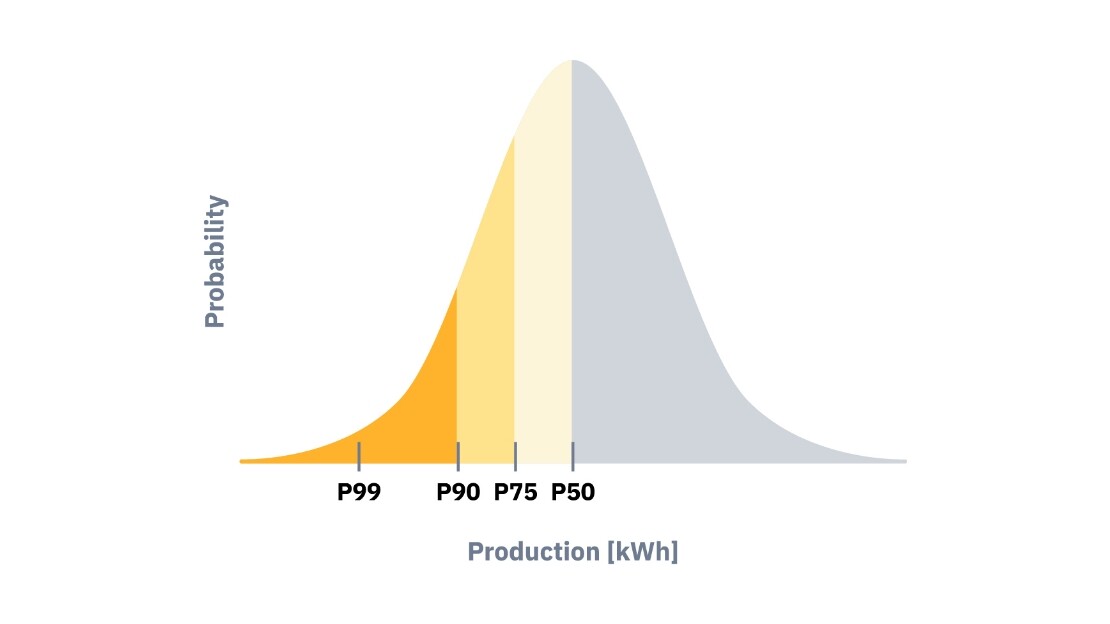
One of the most critical outputs from PV simulations is the P50 annual energy yield estimate. Often referred to as the "best estimate," the P50 value represents the annual energy yield that has a 50% probability of being exceeded (with an equal 50% chance that the actual yield will fall below it).
However, relying solely on the P50 value may be too optimistic for project stakeholders. To address this, additional probability-based yield estimates are commonly used e.g. P90 value, which indicates the energy yield expected to be exceeded 90% of the time.